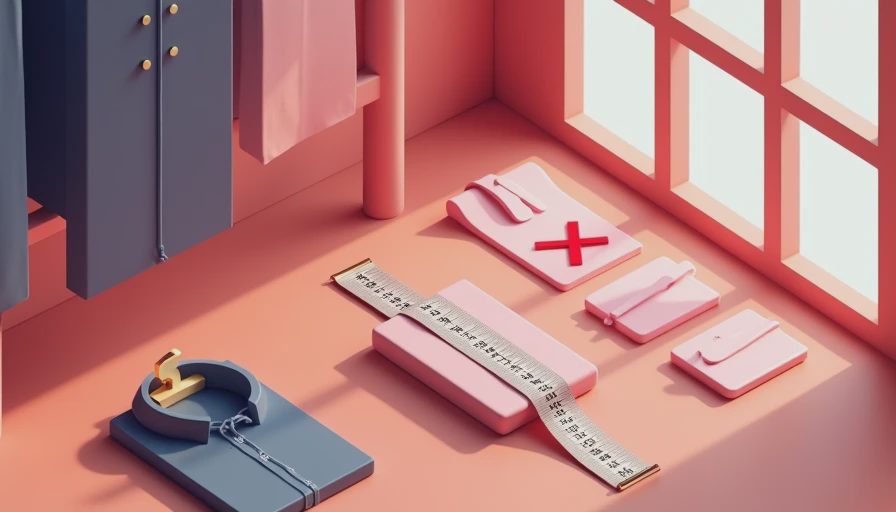
If you’ve ever ordered a medium T-shirt online only to find it fits like a tent or a corset, you’re not alone. **Avoiding common online shopping sizing mistakes as a young guy** is one of the first real skills in building a budget-friendly wardrobe that actually works. I’ve been there—bought a pair of jeans from a brand I’d never tried, guessed my size, and ended up with something I couldn’t even button. Online shopping is convenient, but it’s also a minefield of inconsistent sizing. Let me walk you through how to avoid those expensive guesswork moments.
Why Sizing Mistakes Happen in the First Place
Part of the problem is that brands use completely different fit models. A size medium at Uniqlo might be roomy, while the same size at JCrew fits slim. Even within the same store, a sweatshirt and a button-up can fit totally differently. That’s why **avoiding common online shopping sizing mistakes as a young guy** starts with accepting that your regular size isn’t a guarantee. The other big reason? Guys tend to eyeball it. We see “M” and assume it’ll work, but without checking the actual garment measurements, you’re rolling the dice. And when you’re on a young guy’s budget, each wrong order stings.
Get Your Real Measurements
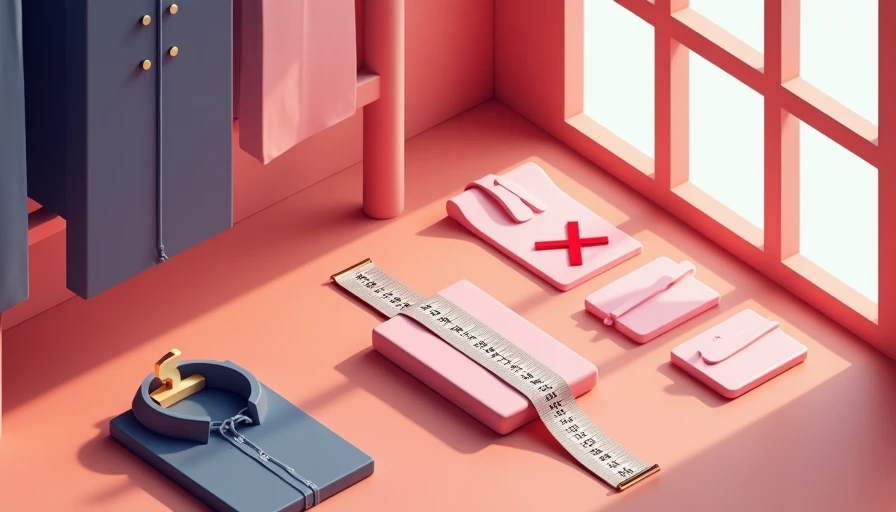
Before you click “add to cart,” you need your own measurements. Grab a soft tape measure and get your chest, waist, hip, and inseam. Write them down and keep them in your phone. This is the single most reliable way to decode any size chart. A lot of guys skip this step because they think they know their size from memory, but bodies change, and brand standards vary. When I started measuring myself, my hit rate went from about 60% to over 90%. And it’s free. Most size charts on product pages will tell you the garment’s chest width or waist circumference. Compare that to your own numbers, and you’ll instantly know if that “Large” is actually going to work.
Learn to Read Size Charts
Size charts aren’t always easy to find, but they’re almost always there. On major sites like ASOS, Nordstrom, or the specific brand’s page, look for a “Size & Fit” tab. Ignore the letter or number—focus on the inch or centimeter measurements. A common trick brands use is “vanity sizing,” where they label a size 32 waist but it actually measures 34 inches. So never trust the tag. Always check the chart. For pants, pay attention to rise as well as waist and inseam. For tops, shoulder width and sleeve length matter more than a chest number. Once you get used to comparing your measurements to the chart, **avoiding common online shopping sizing mistakes as a young guy** becomes second nature.

Use Customer Reviews for Fit Intel
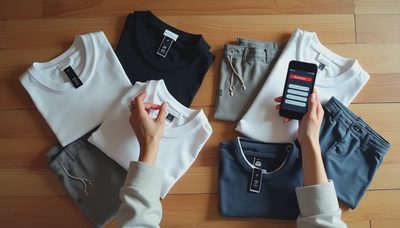
Reviews are gold. Look for ones that mention the customer’s height, weight, and typical size in other brands. For example, a review that says “I’m 5’10", 175 lbs, usually wear M in Uniqlo, and this M fit perfectly” tells you way more than a generic “great shirt.” Also check for photos from customers—real bodies in real lighting. If multiple reviews say the item runs small or large, believe them. I’ve saved myself from at least a dozen bad purchases by scanning the “fit” filter on review sections.
Understand Fit Styles Within the Same Brand
Even within one brand, different garments have different intended fits. A “slim fit” button-up at Banana Republic is much tighter than a “classic fit” one. A “regular cut” chino might be straight leg, while the “athletic cut” has more room in the thigh. Part of **avoiding common online shopping sizing mistakes as a young guy** is recognizing that “size M” doesn’t tell the whole story. When you’re reading a product page, look for keywords like “slim,” “regular,” “relaxed,” or “tapered.” Then check the measurements. Sometimes a size Small in a slim fit is actually the same chest measurement as a size Medium in a classic fit. Knowing these differences helps you avoid ordering something that fits the way you want, even if the size label is different from your norm.
Build a Personal Reference List
After a few successful purchases, start a note in your phone with your sizes for each brand you buy from. For example: “Uniqlo: tops M, pants 32x32; JCrew: tops M (slim fit), pants 31x32; Levi’s: 513 jeans 32x32.” This becomes your cheat sheet. The next time you’re on a checkout page, you can glance at your notes and order with confidence. It takes a little upfront effort, but it pays off every time you avoid a return shipping fee.
Final Thoughts
Online shopping isn’t going anywhere, and as a young guy building a wardrobe on a budget, you’ll do a lot of it. The goal isn’t to stop making mistakes entirely but to cut down the frequency. With your own measurements, a careful eye on size charts, and the collective wisdom of other buyers, you can order confidently. If it looks good twice a week, it was worth buying. And if you measured right, it will.


No letters yet — be the first guest to write.