How to Thrift Successfully for Business Casual Pieces: A Real-World Guide
If you're trying to dress sharper for work without spending your whole paycheck, learning how to thrift successfully for business casual pieces is one of the smartest moves you can make. I remember walking into Goodwill after my first job started, skeptical that I'd find anything wearable. But after a few trips and some trial and error, I realized thrift stores are goldmines for exactly the kind of stuff you need: solid oxfords, blazers that don't look dated, and chinos that fit well enough to wear twice a week. The key is knowing what to reach for and what to leave on the rack. This guide will walk you through that.
Why Thrifting Makes Sense for Business Casual
Thrifting is the only way to build a business casual wardrobe on a entry-level salary without settling for cheap fabrics. A new blazer from a fast-fashion brand might cost $70 but fall apart after five wears. A second-hand Brooks Brothers or J.Crew blazer often runs $15–$30 and will last years. The same goes for dress shirts, wool trousers, and even leather shoes. You're getting better construction—fuller cut canvases, thicker buttons, real buttonholes—for a fraction of the retail price. Plus, thrifting lets you try out styles you wouldn't risk buying new. If a gray herringbone sport coat doesn't work after six months, you're out twenty bucks instead of a hundred.
What to Look for — and What to Skip
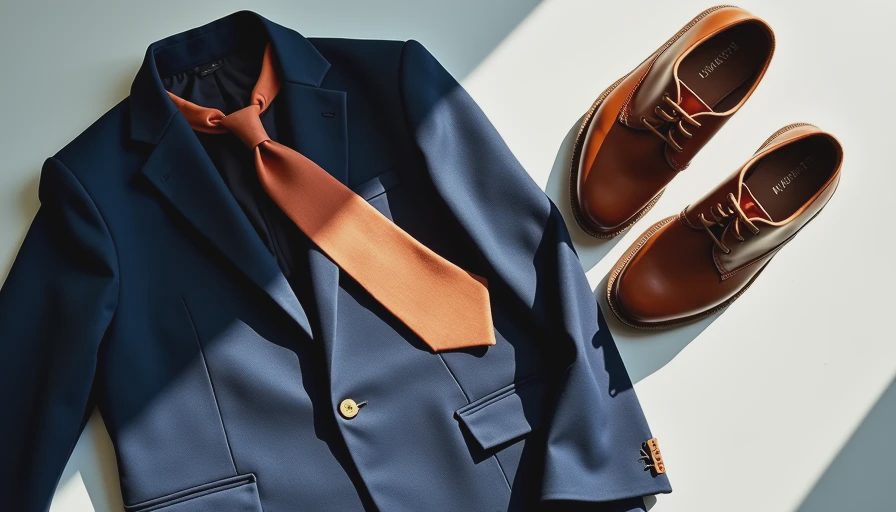
Focus on classic, non-trendy pieces that mix easily. For business casual, the core items are unstructured blazers (navy, charcoal, olive), cotton or wool trousers (flat front, no pleats), button-down oxfords (white, light blue, maybe a stripe), and merino or cotton sweaters (crewneck, V-neck). Check the fabric composition: natural fibers like cotton, wool, linen, and silk breathe better and hold their shape. Avoid cheap polyester blends—they look shiny, trap odors, and pill fast. On the other hand, skip items with obvious signs of wear: frayed cuffs, missing buttons (unless you're willing to replace them), stains that won't come out, or stretched-out collars. Also avoid anything too trendy, like distressed denim jackets or graphic tees. They won't work in the office and clutter your closet.
How to Make Sure the Fit Works
Fit is everything. Thrift shopping forces you to try things on, which is actually an advantage—you can't guess your size online and hope for the best. Bring a pair of chinos and a dress shirt that fit you well to the store so you can compare. For blazers, the shoulder seam should sit right at the edge of your shoulder bone; if it's off, tailor can't fix that easily. Sleeve length should hit your wrist bone, and the jacket should button without pulling. For shirts, the collar should fit two fingers snugly. Waist and length? Usually easy to tailor. Expect to spend $10–$20 on alterations per piece. It's worth it—a $15 blazer with a $15 hem looks like a $200 blazer.

Where to Thrift — and How to Shop Smart
Not all thrift stores are equal. For business casual, I'd rank them this way:
- Goodwill and Salvation Army – Hit or miss, but if you browse frequently, you'll find gems. Go in with an open mind and at least 30 minutes.
- Consignment shops (like Plato's Closet for younger stuff, Buffalo Exchange for curated) – Higher prices but better curation. You'll find decent J.Crew or Banana Republic pieces for $15–$25.
- Online resale: Poshmark, eBay, Depop – Great for specific searches. Search for brands like "Brooks Brothers oxford size M" and filter by condition. You can usually snag a shirt for $12 including shipping.
- ThredUp – Good for basics if you filter carefully, but shipping takes time.
A pro tip: shop by brand, not by department. Go straight to the men's suiting or outerwear rack first. If you find a blazer that fits in the shoulders, grab it—then sort out color later.
Putting It Together: A Sample Outfit from Thrifted Pieces
Here's an outfit I've actually worn: a camel-colored unstructured blazer ($18 at Goodwill, brand: Banana Republic), a light blue oxford ($8 from Poshmark, brand: Brooks Brothers), medium gray chinos ($12 from ThredUp, brand: Dockers), and brown leather loafers ($20 from a consignment store, brand: Johnston & Murphy). Total: $58. That outfit looks as polished as anything from a department store. I've worn it to client meetings, casual Fridays, and after-work drinks. No one has ever asked where I bought it—they just see clean, intentional dressing.
Final Advice: Buy Slow, Repeat Often
Resist the urge to buy ten things on your first thrift trip. Pick one or two pieces that genuinely improve your current rotation. Wear them a few times. See if they work. If they do, go back for more. The goal isn't a full wardrobe in one day—it's slowly upgrading your basics until you have a dozen pieces that all go together. As I always say, if it looks good twice a week, it was worth buying. And when you master how to thrift successfully for business casual pieces, you'll build a wardrobe that looks like you spent a lot more than you actually did.


No letters yet — be the first guest to write.