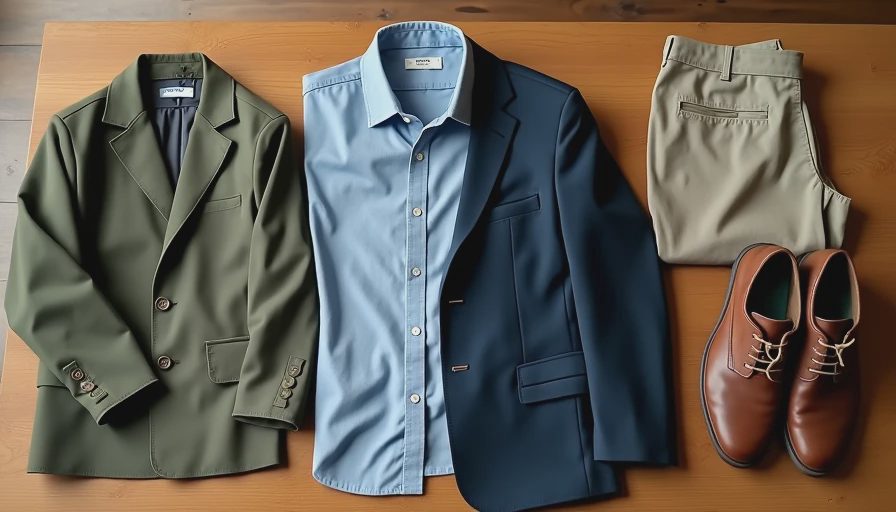
Thrifting became one of my favorite weekend activities after I moved to Chicago. There’s something satisfying about finding a solid piece for $15 that looks better than something new for $80. But I’ve also left stores empty-handed after wasting two hours digging through junk.
This post is my honest guide for young guys in their 20s who want to thrift smarter. I’m not talking about vintage flexing or hunting rare designer stuff. I’m talking about finding reliable, good-shape pieces that fit into a real first-job wardrobe.
If it looks good twice a week, it was worth buying. The best thrift finds prove this every time.
Why Thrifting Works Well for Young Guys on a Budget
Thrift stores are perfect when you’re early in your career. You can experiment without big risk, find unique textures and quality construction that fast fashion skips, and keep money in your pocket for better shoes or a good haircut.
The key is knowing what’s actually worth your time. I’ve learned this through lots of trial and error on Saturday mornings.
What to Hunt For in Thrift Stores
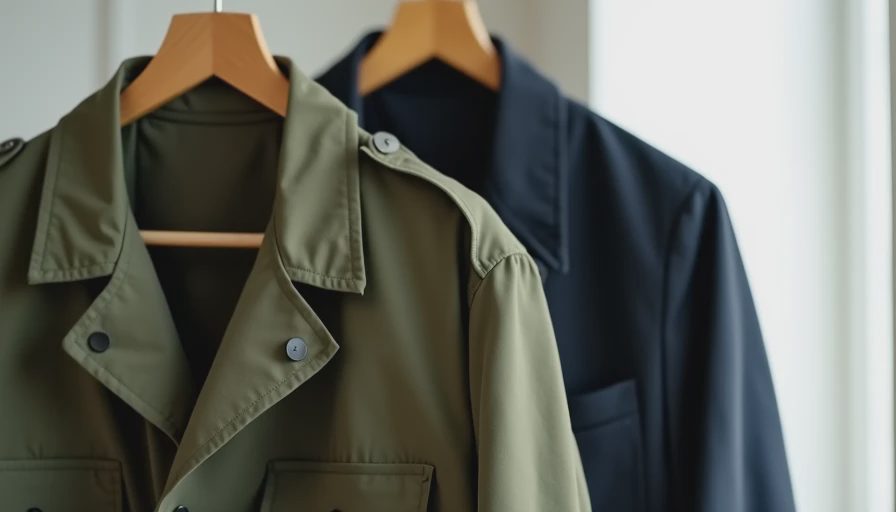
Here are the categories and specific items I actively look for:
1. Chore Coats & Overshirts
Heavy cotton twill in olive, navy, or beige. Look for good shoulder fit and functional pockets.
Why: These are my highest success rate finds. A solid chore coat can anchor dozens of outfits.
2. Button-Down Oxford Shirts
Classic oxfords in light blue, white, or subtle stripes. Prioritize good length and shoulder placement.
Why: Brands like Brooks Brothers or J.Crew often show up for under $10. Much better construction than new budget shirts.
3. Blazers & Sport Coats
Unstructured navy or gray wool blends. Check for clean lining and proper shoulder fit.
Why: A good blazer instantly elevates jeans or chinos. I’ve found excellent ones for $25–40.
4. Wool or Merino Sweaters
Crewnecks and cardigans in navy, gray, or olive. Feel for thickness and no major pilling.
Why: Higher quality wool than you get at fast fashion prices.
5. Straight-Cut Chinos or Wool Pants
Khaki, olive, or charcoal. Test the fit in the dressing room if available.
Why: Better drape and durability than many new budget options.
6. Clean Leather Shoes or Chelsea Boots
Simple brown or black leather. Check soles and overall condition.
Why: Quality leather that just needs a polish.
What to Usually Leave Behind
Trendy graphic tees or hoodies with big logos — They date fast and look juvenile.
Skinny or heavily distressed jeans — Fit is usually off and they rarely age well.
Cheap suit jackets with shiny fabric — Often too formal or poorly proportioned.
Anything with strong odors or major stains — Not worth the hassle.
Loud patterned shirts — Hard to style consistently in a clean wardrobe.
Worn-out sneakers — Better to buy new white canvas ones.
If it doesn’t feel like a clear “yes” when you try it on, leave it. Thrifting is about discipline, not filling bags.
My Thrifting Strategy That Actually Works
Go with a list: I usually hunt for 1-2 specific items per trip.
Check the sections smartly: Start with blazers/jackets, then shirts, then pants.
Try everything on: Shoulder fit and length are non-negotiable.
Inspect details: Seams, zippers, buttons, and overall condition.
Budget cap: I rarely spend more than $40 on any single piece.
Frequency: One focused trip every 3–4 weeks works better than random weekly visits.
I’ve built a big chunk of my current rotation (including my favorite olive chore coat) through smart thrifting.
How Thrifting Fits Into the Bigger Picture
Thrift finds work best when they support the core 12-piece wardrobe. A great thrifted blazer makes your Target chinos look more expensive. A solid chore coat turns basic tees into intentional outfits.
Buy less, repeat better. Thrifting encourages this mindset because you become more selective.
Common Thrifting Mistakes Young Guys Make
Buying too much “potential” — pieces that need major alterations or don’t fit now.
Getting distracted by quantity over quality.
Ignoring fit for “vibe.”
Not having a plan for what you actually need.
Treat thrifting like targeted shopping, not a treasure hunt.
The Real Value
Beyond saving money, thrifting taught me to appreciate good construction and texture. It also made me more confident mixing pieces because I wasn’t worried about wasting $60 on something new that disappointed.
Some of my most complimented items came from thrift stores. Not because they’re rare, but because they have good shape and I wear them consistently.
Final Tips for Getting Started
Start small. Visit a couple stores near you with $50 and a clear mission (e.g., “find one good overshirt”). Build from there. Combine thrift finds with reliable new basics from Uniqlo and Target.
Thrifting isn’t about being cheap. It’s about being intentional with your money and closet.
You can build a wardrobe that looks way more expensive than it actually is — one good find at a time.
What’s your best thrift find so far? Or what are you hoping to hunt for next? Drop it in the comments.


No letters yet — be the first guest to write.