
Let’s be honest: starting your first office job often means staring at your closet and realizing you don’t own much that looks grown-up without screaming “I just graduated.” Thrift store finds that work well for young professional men are a real solution — you can build a respectable wardrobe without spending a month’s rent. I’ve been thrifting since college, and over time I’ve learned which items actually hold up in an office, which ones are worth digging for, and which ones you should leave on the rack.
Why Thrift Stores Are a Goldmine for Young Professionals
Thrift stores let you experiment with your style at a fraction of the cost. When you’re on a first-year salary, dropping $80 on a blazer that might not fit right stings a lot less when it’s only $20. Thrift store finds that work well for young professional men often come from higher-end brands that originally cost three or four times what you’d spend on a fast-fashion version. Plus, you get to skip the “everyone has the same H&M blazer” problem. A thrifted piece adds character without screaming “look at my unique taste.” It just looks like you picked it carefully, which you did.
Another advantage: thrift stores reward patience. You learn to scan for quality — fabric content, stitching, brand tags. That’s a skill that translates to buying anything, from suits to casual jackets. And because you’re not spending much, you can take risks. That bold patterned tie or tweed sport coat? Try it. If it doesn’t work, you’re out ten bucks.

The Best Specific Items to Hunt For
Not every thrift store find is worth grabbing. Here’s what I consistently look for:
Blazers and Sport Coats
This is the number-one thrift store score for young professional men. A well-fitting navy or charcoal blazer can transform an outfit with a button-down and chinos. Look for wool or wool-blend fabrics — they drape better than polyester. Check the shoulders: if they dig in, move on. Also check the sleeves — if they’re too long, a tailor can shorten them for around $20. Brands like Brooks Brothers, J.Crew, Banana Republic, or even vintage Harris Tweed are common finds.
Oxford Cloth Button-Downs (OCBDs)
Thrift stores are packed with button-downs. Focus on oxford cloth or pinpoint oxford — they’re durable and look right in a business casual office. Avoid wrinkled synthetic blends. Look for Brooks Brothers, Ralph Lauren, or Uniqlo. Even if the collar is slightly worn, you can get it cleaned and pressed. A good OCBD costs $5-$10 at a thrift store versus $60+ new.
Chinos and Trousers
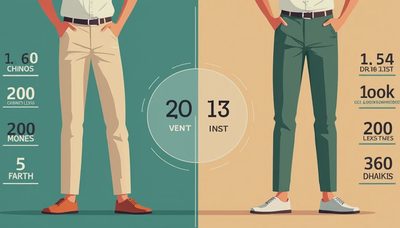
Chinos are everywhere. The key is fit: look for flat-front, slim or straight leg, and avoid anything with cargo pockets or excessive fading. Color-wise, stick with khaki, navy, olive, and gray. Brand-wise, Dockers, J.Crew, and Bonobos are common. For dress trousers, look for wool or cotton blends with a slight stretch. Again, fit is king — a quick hem at the tailor for about $10 solves length issues.
Leather Dress Shoes
The holy grail of thrift store finds. You can find goodyear-welted shoes from Allen Edmonds, Johnston & Murphy, or even vintage Florsheim. Look for leather soles, minimal creasing, and intact stitching. If the leather is just dry but not cracked, polish and conditioner can revive them. Resoling costs $50-$80 but extends life by years. A $15 pair of thrifted Allen Edmonds beats $100 new shoes any day.
Wool Sweaters
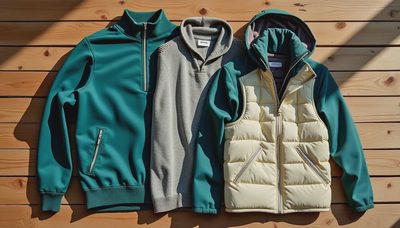
Merino wool, cashmere, or lambswool sweaters are abundant in colder months. They layer perfectly under blazers or over button-downs for casual Fridays. Avoid acrylic — it pills and looks cheap. For quality, scan for brands like Pendleton, Ralph Lauren, or vintage Irish knits.

How to Spot Quality Quickly
You don’t have to spend hours in every aisle. Here’s a quick mental checklist:
- **Fabric first**: Wool, cotton, linen, silk, or cashmere in the composition >50%. Polyester is fine for outerwear linings, but not for main fabric.
- **Stitching**: Look for even, tight stitches. Loose threads or wide gaps mean poor construction.
- **Hardware**: Metal zippers, solid buttons (not glued plastic), and working pockets. If a jacket has a broken zipper, skip unless you can replace it.
- **Fit check**: Examine shoulders (they should align with your natural shoulder line), sleeve length (should hit your wrist bone), and torso length (not too long or short). Pants: waist should be within 2 inches of your size — alterations beyond that are costly.
A Few Thrifting Tips for Young Professionals
- **Go to wealthier neighborhoods**: The donations are often higher-end brands. A thrift store near an affluent suburb might have Brooks Brothers nearly new.
- **Visit during weekdays**: Fewer people, more time to browse. Saturday afternoons are hectic.
- **Know your measurements**: Bring a tape measure or know your chest, waist, inseam, and sleeve length. This speeds up the hunt.
- **Be patient, but move fast**: Good stuff goes quickly. If you see a perfect blazer, grab it and decide later. You can always put it back.
- **Wash or dry-clean everything before wearing**: Thrift stores aren’t always pristine. A $5 shirt plus $3 dry cleaning is still a deal.
Putting It Together: A Work Outfit from Thrift Store Finds
Imagine this: a navy wool blazer ($18), a blue OCBD ($6), khaki chinos ($8), and brown leather loafers ($12). Total cost: $44. Add a pair of thrifted wool socks ($2) and a leather belt ($5). You now have an outfit that looks polished and costs less than one fast-fashion blazer. That’s the beauty of thrift store finds that work well for young professional men — you can build multiple outfits for under $200 that outlast anything from the mall.
Final Thought
Thrifting isn’t about being cheap. It’s about being smart with your money and patient with your style. If you take the time to hunt, you’ll end up with clothes that fit better, last longer, and look more interesting than what you’d buy off the rack. If it looks good twice a week, it was worth buying.

No letters yet — be the first guest to write.